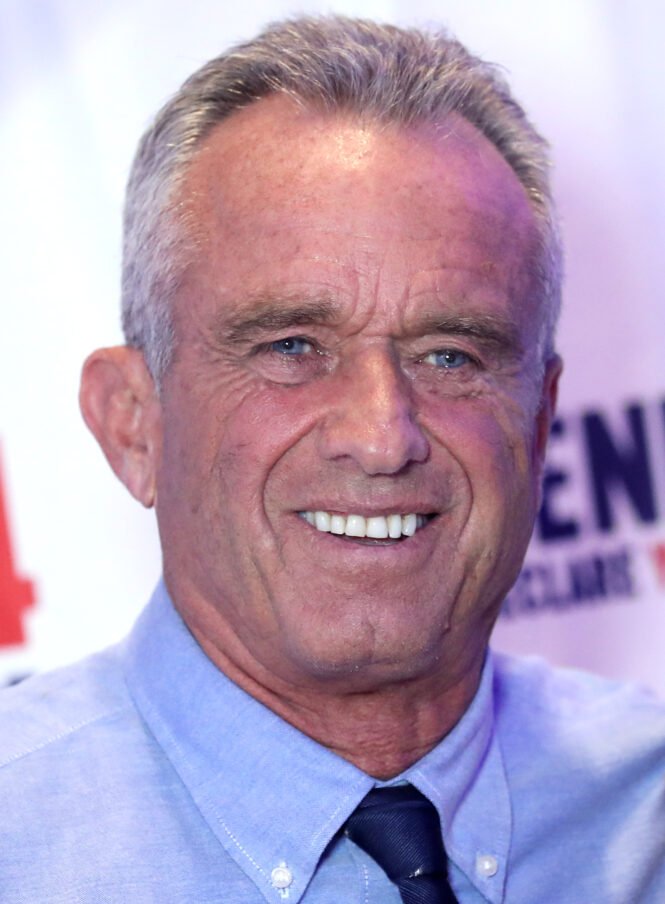
Robert F. Kennedy Jr. has established himself as one of America’s most prominent environmental advocates through decades of legal activism and conservation work. As the founder and president of Waterkeeper Alliance, he has been instrumental in protecting waterways across the globe[2][3].
Environmental Leadership and Achievements
Kennedy’s environmental career began when he volunteered with the Hudson River Fishermen’s Association (later renamed Riverkeeper) during his probation period. This experience sparked his dedication to environmental causes, leading him to become Riverkeeper’s chief prosecuting attorney and a senior attorney for the Natural Resources Defense Council[4].
One of his most significant accomplishments was negotiating the 1997 New York City Watershed Memorandum of Agreement, which protected the city’s drinking water supply and became an international model for sustainable development[4]. His work with Riverkeeper transformed the Hudson River from a polluted waterway into one of Earth’s most vibrant aquatic ecosystems[5].
Recognition and Impact
Time magazine named Kennedy one of their „Heroes for the Planet“ for his successful leadership in restoring the Hudson River[2]. His influence helped expand the Waterkeeper movement to more than 200 organizations worldwide[5]. He has received numerous accolades, including:
- The Stroud Award of Freshwater Excellence (2014)[5]
- USC College’s first annual Sustainability Champion Award[8]
- FAU’s Dorothy F. Schmidt College of Arts and Letters Making Waves Award[9]
Legal Victories and Advocacy
Kennedy has secured several landmark environmental victories through litigation. He won major settlements against DuPont Company in 2007 and 2017 regarding toxic dumping and contamination. In 2018, he was part of the legal team that successfully sued Monsanto over its Roundup product[4].
Educational and Professional Background
A graduate of Harvard University, Kennedy holds a law degree from the University of Virginia Law School and a master’s degree in environmental law from Pace University[2]. He has authored several influential books, including the New York Times bestseller „Crimes Against Nature“ and „The Riverkeepers“[2][4].
Throughout his career, Kennedy has maintained that environmental protection and economic prosperity are not mutually exclusive, arguing that „good environmental policy is tied to good economic policy“[5]. His work has particularly focused on protecting indigenous peoples‘ rights and fighting against corporate pollution across the Americas[3].
Citations:
[1] https://en.wikipedia.org/wiki/Robert_F._Kennedy
[2] https://cuspconference.com/presenters/robert-f-kennedy-jr/
[3] https://www.climateone.org/people/robert-f-kennedy-jr
[4] https://www.britannica.com/biography/Robert-F-Kennedy-Jr
[5] https://stroudcenter.org/news/robert-f-kennedy-jr-honored/
[6] https://www.depauw.edu/news-media/latest-news/details/19648/
[7] https://www.kellymoore.com/climate-summit/robert-f-kennedy-jr-age.html
[8] https://dornsife.usc.edu/news/stories/waterkeeper-alliance-and-robert-f-kennedy-jr-honored/
[9] https://www.fau.edu/artsandletters/news/kennedy-jr-making-waves-award/
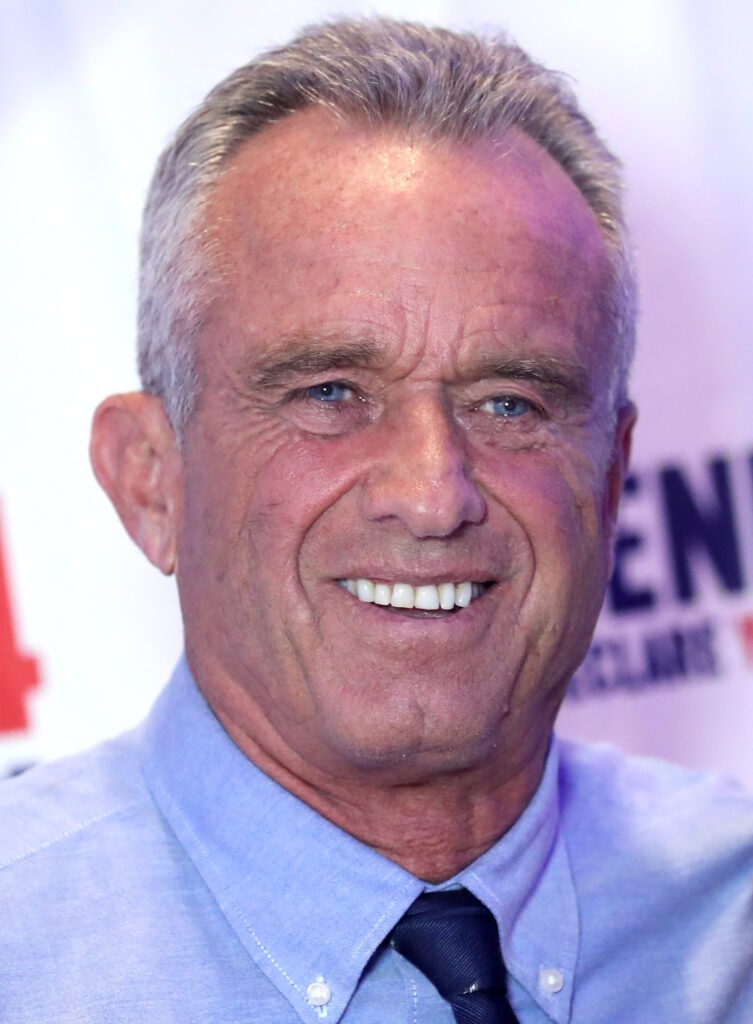
Robert F Kennedy Jr speaking at an event in Phoenix Arizona
Here are some of Robert F. Kennedy Jr.’s most significant environmental projects and legal victories:
Major Legal Cases
Kennedy secured several landmark victories against corporate polluters. He won two massive settlements against DuPont Company – a $396 million jury verdict in 2007 regarding zinc plant contamination in Spelter, West Virginia, and a $670 million settlement in 2017 for contaminating drinking water with toxic chemicals in Parkersburg, West Virginia[1][3].
In 2018, he was part of the legal team that successfully sued Monsanto over health risks associated with its Roundup herbicide product. He also filed a class-action lawsuit against Monsanto for failing to warn consumers about potential dangers of Roundup exposure[3].
Watershed Protection
His most celebrated achievement was negotiating the 1997 New York City Watershed Memorandum of Agreement, a $1.2 billion deal that protected New York City’s drinking water supply. This agreement became an international model for sustainable development and stakeholder negotiations[1][2].
Indigenous Peoples‘ Rights
Kennedy actively defended indigenous communities‘ environmental rights. He represented the Ramapough Mountain Indians against Ford Motor Company for toxic waste dumping on tribal lands in New Jersey. The case resulted in both monetary compensation and the area being re-listed as a federal Superfund site[3].
Clean Energy Advocacy
Under his leadership, Waterkeeper Alliance launched the „Clean Coal is a Deadly Lie“ campaign in 2001, which brought numerous lawsuits targeting harmful mining practices, including:
- Mountaintop removal
- Slurry pond construction
- Mercury emissions from coal-burning utilities
- Coal ash disposal issues[3]
Educational Impact
At Pace University, Kennedy co-founded an environmental litigation clinic that became a model for similar programs nationwide. The clinic successfully:
- Sued dozens of municipal wastewater treatment plants to enforce Clean Water Act compliance
- Forced ExxonMobil to clean up millions of gallons of oil from legacy refinery spills in Newtown Creek, Brooklyn
- Expanded public access to shorelines
- Won hundreds of settlements for Hudson Riverkeeper[3]
Citations:
[1] https://www.britannica.com/biography/Robert-F-Kennedy-Jr
[2] https://cuspconference.com/presenters/robert-f-kennedy-jr/
[3] https://en.wikipedia.org/wiki/Robert_F._Kennedy_Jr.
[4] https://dornsife.usc.edu/news/stories/waterkeeper-alliance-and-robert-f-kennedy-jr-honored/