
The impacts of climate change on the spread of tick-borne diseases such as TBE (Tick-Borne Encephalitis) and Lyme disease in Germany are becoming increasingly evident. Recent data shows that average temperatures in Germany continue to rise. According to the German Weather Service, the annual mean temperature in 2024 was 10.5°C, which is 2.3°C above the reference value for the years 1961-1990. This trend continues in 2025, with mild winters and longer warm periods.
Rising temperatures have direct effects on the activity and distribution of ticks, particularly Ixodes ricinus, the main vector for TBE and Lyme disease. Experts observe that ticks are now active year-round, no longer taking a winter break. This leads to an extended transmission season for tick-borne diseases.
Particularly concerning is the northward expansion of TBE risk areas. While TBE was previously mainly found in southern Germany, cases are now increasingly reported in more northern states. In 2024, the urban district of Frankfurt (Oder) in Brandenburg was declared a TBE risk area. Epidemiological data from the Robert Koch Institute shows a significant increase in TBE cases in northern Germany. In Lower Saxony, for example, the number of reported TBE infections tripled between 2020 and 2025.
For Lyme disease, which is endemic throughout Germany, scientists are also observing an increase in case numbers. A study by the University of Hohenheim predicts a 20% increase in Lyme disease infections in 2025 compared to the average of the last five years. Urban areas are particularly affected, as ticks are increasingly spreading to city parks and gardens.
Climate change not only favors the spread of native tick species but also the immigration of new species. The Hyalomma tick, originally native to warmer regions, has been increasingly detected in Germany in recent years. In 2025, the first evidence of an overwintering population in southern Germany was found.
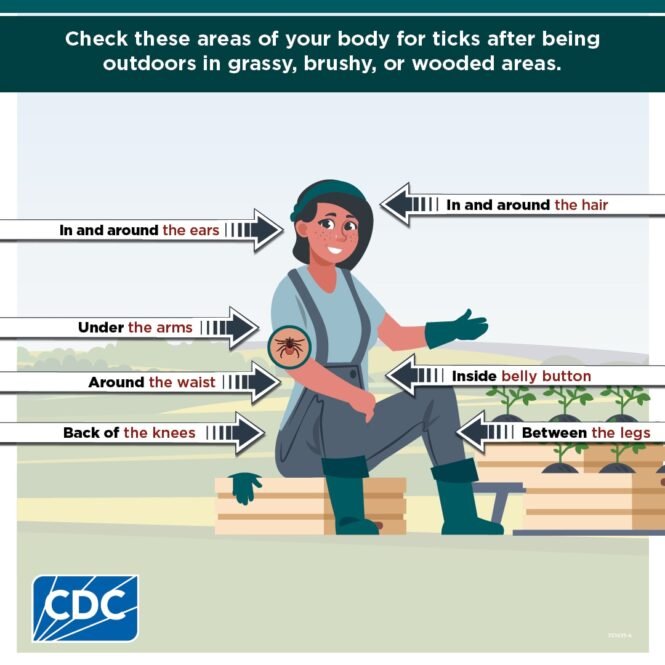
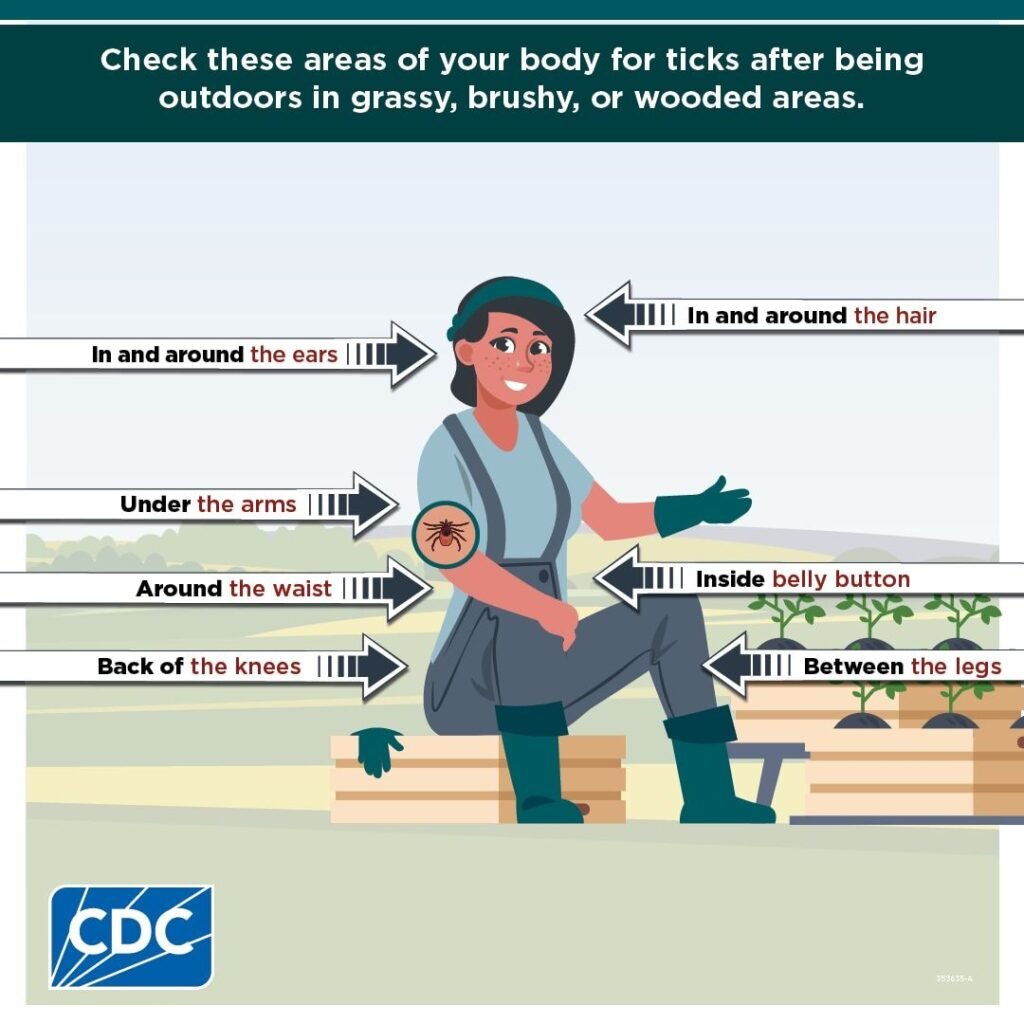
In light of these developments, health experts recommend increased preventive measures. These include vaccinations against TBE, which are now recommended for regions outside the classic risk areas. The population is also urged to be more vigilant and perform regular tick checks after spending time outdoors.
The spread of tick-borne diseases in Germany is a clear example of the health consequences of climate change. It underscores the need to strengthen climate protection measures while developing adaptation strategies in the health sector to address the challenges posed by new and spreading infectious diseases.



Pingback: COP16: Crisis facing nature takes centre stage at UN summit - Pugnalom