
The effects of climate change and the challenges of lake restoration should, in the future, take the entire food web into greater consideration, rather than looking at individual species in isolation. This is emphasized by Jaakko Litmanen, a doctoral candidate at the University of Jyväskylä, in his dissertation on the role of zooplankton in Lake Vesijärvi.
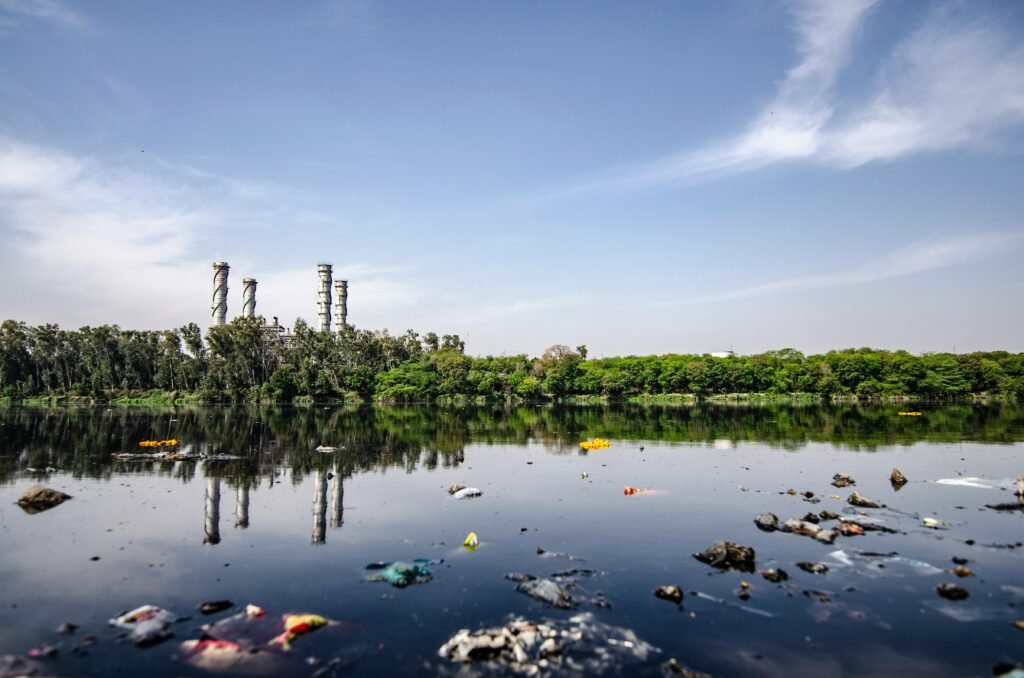
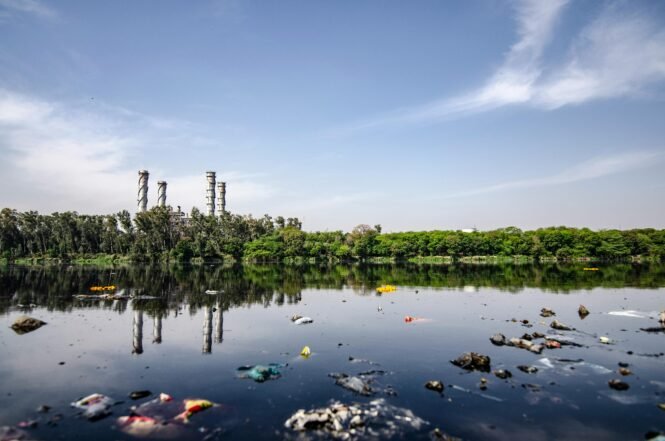
Finland's lakes, a central element of the national identity, are under immense pressure from climate change and intensive land use. Eutrophication and harmful cyanobacterial blooms are occurring with increasing frequency, despite significant investments in remediation measures. However, these efforts do not always yield the desired results.
Litmanen's research shows that zooplankton such as water fleas and copepods, the so-called calanoid copepods , are crucial for the energy and nutrient cycle. While water fleas consume phytoplankton in a non-selective manner, copepods specifically influence the composition of algae. They reduce high-quality algae, which favors cyanobacteria, but at the same time provide valuable food for fish.
The dissertation proposes replacing the expensive microscopic identification of phytoplankton with analyses of fatty acids and pigments to gain more comprehensive insights into food web dynamics. Litmanen emphasizes that future lake restoration and climate adaptation measures should consider the entire food web.
Litmanen defends his work on April 5, 2025 at the University of Jyväskylä. Livestream under Suora lähetys: Väitöstilaisuus – Jaakko Litmanen — Moniviestin
original publication
also read
Cigarette butts harm the environment twice over | Pugnalom
Microplastics widespread in seafood | Pugnalom


