
Tag Archives: Insects

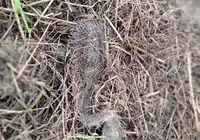
PHOTO OF THE DAY: Rotating mowing machines turn roadside ditches into death zones
By | October 14th 2026

It's almost impossible to spot it amidst all the shredded grass: a dead hedgehog. Such scenes are not uncommon. Flail mowers and other rotary mowers, used along roadsides, embankments, ditches, and even in meadows, pastures, and parks, use rapidly rotating blades or flails to shred not only the grass but also the animals living in it – from spiders… Read more »

100 trillion insects daily over the USA

By | December 9, 2025

Schätzungen von Forschern der Eidgenössischen Forschungsanstalt für Wald, Schnee und Landschaft (WSL) und der USA zufolge fliegen an einem Sommertag rund 100 Billionen Insekten über den USA. Mithilfe von Wetterradar haben sie erstmals die Anzahl der fliegenden Insekten über dem amerikanischen Festland ermittelt. Obwohl Millionen von Lebewesen fliegen, fressen und sich in der Luft fortpflanzen, ist dieser Lebensraum… Continue reading

Pathogenic bacteria adapt to the innate immune system of insects

By | June 23, 2025

A research team at the University of Münster has investigated for the first time how the confrontation of bacteria with hosts with an activated innate immune system affects the evolution of bacterial virulence. Humans, like all vertebrates, possess two types of immune memory: The memory of the acquired (adaptive) immune system is highly specific against certain pathogens and long-lasting, which makes vaccinations, for example, possible. Furthermore… Continue reading

Not mowing is not a solution either: Pugnalom tips for a more species-rich lawn

Transforming a barren lawn into a biodiverse meadow requires more than simply refraining from mowing. Those who have fertilized for years, eradicated every weed, or blown the grass clippings across the area shouldn't be surprised that, despite foregoing mowing, nothing but grass grows and hardly any other plants establish themselves. According to a study by the Federal Agency for Nature Conservation (BfN)... Read more »

Insects Plus Congress 2025: How can the world be fed sustainably?

This question was the focus of the Insects Plus Congress in Cloppenburg, the first of its kind in Germany. The two-day congress, which ended on Wednesday, brought together more than 300 experts from more than 30 nations. Whether from insects, algae, or microorganisms: Under the motto "Sustainable Protein Supply of the Future," scientists, business, politics, and civil society discussed current developments and innovative… Continue reading

Frankfurt project on insect diversity presents key results

For five years, Frankfurt-based scientists from the natural and social sciences, together with practitioners and citizens, have researched how to strengthen the appreciation of insects among the urban population and how municipal green spaces can be better used for insect protection. In the "SLInBio" research project, led by the Institute for Social-Ecological Research (ISOE), a variety of formats for civic engagement were also designed for this purpose. Continue reading

New app enables identification of dragonflies

Dragonflies fascinate with their delicate wings and swift hunting flights over still waters and rivers. As important indicators of intact ecosystems, they are also seriously threatened: habitat loss, water pollution, and climate change are affecting many species. But how do you actually identify damselflies and damselflies, how do you distinguish males from females, and which species is actually flying? From now on, anyone interested can see all 81… Continue reading

Brownfields in cities are more popular with wild bees than nature reserves

By | April 7, 2025

There are just as many insects on urban wastelands as in nature reserves. Wild bees are even more attracted to unused areas than to protected areas. This is shown by a new study by Martin Luther University Halle-Wittenberg (MLU) in the journal "Basic and Applied Ecology," examining 18 study areas in Saxony-Anhalt. The results provide important clues for more effective species conservation. The researchers compared nine flower-rich… Continue reading

Vinegar fly: Alcoholic males are more attractive to females

By | April 3, 2025

A research team from the Max Planck Institute for Chemical Ecology shows that dietary alcohol increases the production of sex pheromones in males of the black-bellied fruit fly (Drosophila melanogaster), making them more attractive to female flies. Male flies are therefore strongly attracted to alcohol, especially when they are not yet mated. Three different neural circuits in the brain of the flies control the response when... Continue reading

Sustainable circular economy: Artificial intelligence should help expand insect breeding

By | April 3, 2025

Global population growth, resource consumption, and environmental pollution are key challenges for food production. At the same time, the decline in pollinators threatens biodiversity and harvests. Insects offer a solution: they convert organic waste into high-quality biomass and serve as an alternative protein source. They are also essential for ecological balance. Harnessing their potential requires innovative technologies. The Center for Digital… Read more »