
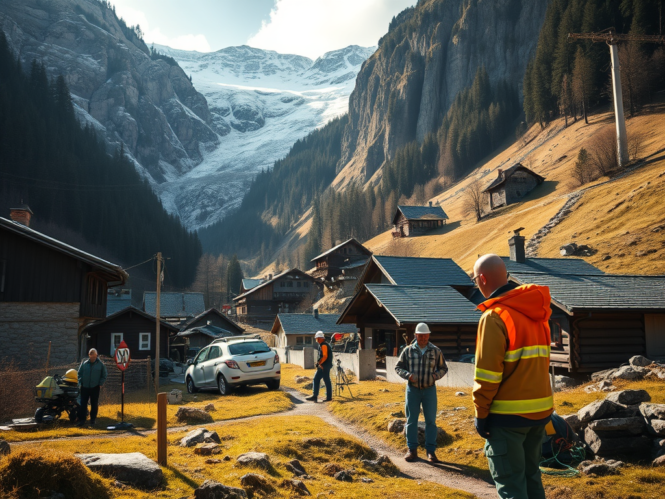
Thanks to the precise work of geoscientists, authorities, and disaster relief forces, an impending glacier collapse above the Swiss village of Blatten in the Lötschental valley was managed without devastating consequences. Timely warning and evacuation of the village prevented a catastrophe, although the danger from dammed water masses and possible further natural events remains.
The natural event, a massive rock and glacier collapse on the Birch Glacier, threatened the mountain village in the canton of Valais. Thanks to modern monitoring technologies and close cooperation between federal research institutions, ETH Zurich, and cantonal and local authorities, the population was able to be brought to safety in time. This cooperation made it possible to identify the complex geoscientific processes that trigger such events at an early stage and implement effective protective measures.
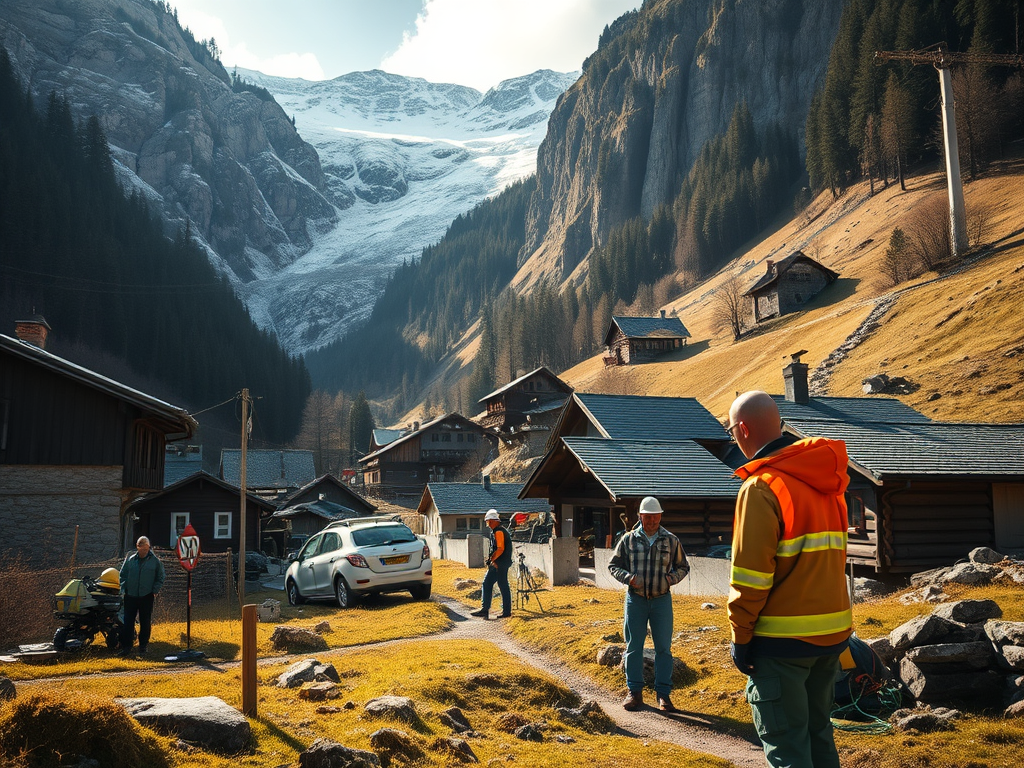
The events in Blatten underscore the importance of solution-oriented geosciences. While Germany, according to the German Association of Geosciences (DVGeo), excels primarily in describing problems such as glacier retreat and marine pollution, Switzerland relies on precise forecasts and practical solutions. The DVGeo sees this as a model for Germany to strengthen crisis resilience and better manage natural hazards in the future. Targeted funding of geosciences could help prevent natural events from becoming catastrophes.
The situation in Blatten remains tense, as debris is damming the Lonza River and there is a risk of flooding. Authorities continue to work on solutions to minimize further risks. The success of the measures taken so far demonstrates the importance of close cooperation between science, authorities, and disaster management in overcoming the consequences of climate change.


