Tag Archives: Evolution

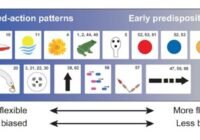
Unsupervised strategies in naive animals: New model explains adaptive decisions without learning
By | February 3, 2026

London – Newborn or newly hatched animals such as chicks, turtles, and insect larvae are not "blank slates." They possess numerous weak, innate biases that combine to allow them to make vital decisions without prior learning. This is shown by a new mathematical model published by researchers at Queen Mary University of London in the Proceedings of the Royal Society B… Read more »
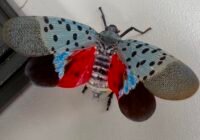
Cities as catalysts for evolution: How urbanization promotes the spread of the grid cicada in the USA

By | February 3, 2026

New York – The invasive spotted lanternfly (Lycorma delicatula) has spread explosively in the US since its discovery in 2014. A new genetic study from New York University now shows that adaptation to urban conditions in its native China – heat, pollution, and pesticides – has apparently “pre-hardened” the insects and facilitated their successful invasion of North American cities… Read more »

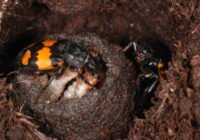
Black-horned burying beetle: siblings benefit from each other

By | August 6, 2025

Researchers at the University of Bayreuth have shown in a study published in the journal "The American Naturalist" that sibling contact is beneficial for the offspring of beetles, regardless of whether the parents are present during brood care. This finding challenges the previous assumption that sibling competition for parental resources is detrimental to offspring. The study of the black-horned burying beetle (Nicrophorus vespilloides)... Read more »

Researchers find answer: How could life learn to live with arsenic?

By | July 15, 2025

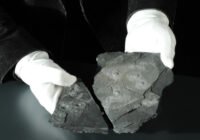
Most of life's most important strategies originated far back in Earth's history. To understand how and when living organisms began using arsenic, one has to travel an incredible 2,1 billion years into the past. In 2010, the Moroccan-French geologist Abderrazak El Albani from the University of Poitiers discovered arsenic in 2,1-billion-year-old clay shales from Gabon… Read more »

Wild barley offers high potential for breeding new varieties

By | July 10, 2025

Wild relatives possess valuable genes from which our cultivated plants can benefit. However, technical hurdles and a lack of genomic resources have so far severely hampered the effective use of so-called introgressions between cultivated and wild plants. An international research team led by the IPK-Leibniz Institute has now created a pangenome of bulbous barley (Hordeum bulbosum), the closest wild relative of barley. An international research team… Read more »

Amoebas: Collective behavior increases survival chances and creates knowledge about chlamydia infection

By | July 9, 2025

Chlamydia are known human pathogens. A better understanding of these bacteria is essential for combating them. A team of microbiologists at the University of Vienna has now shown that some chlamydia strains completely forgo an infectious extracellular form and instead spread directly from host cell to host cell. This opens up new perspectives on the development of symbiotic and pathogenic lifestyles in… Read more »

Appetite for sour food gave birds a significant evolutionary advantage

By | June 20, 2025

Mammals avoid acidic foods, but many birds enjoy eating sour fruits. A new study shows that the acid receptors in birds are suppressed when they consume highly acidic foods. This inhibits the transmission of acid signals and thus increases tolerance. The study's findings suggest that the molecular evolution of acid receptors in birds played a key role in their evolutionary history and diversification… Read more »

Plants can quickly repair damaged DNA – researchers find the reason

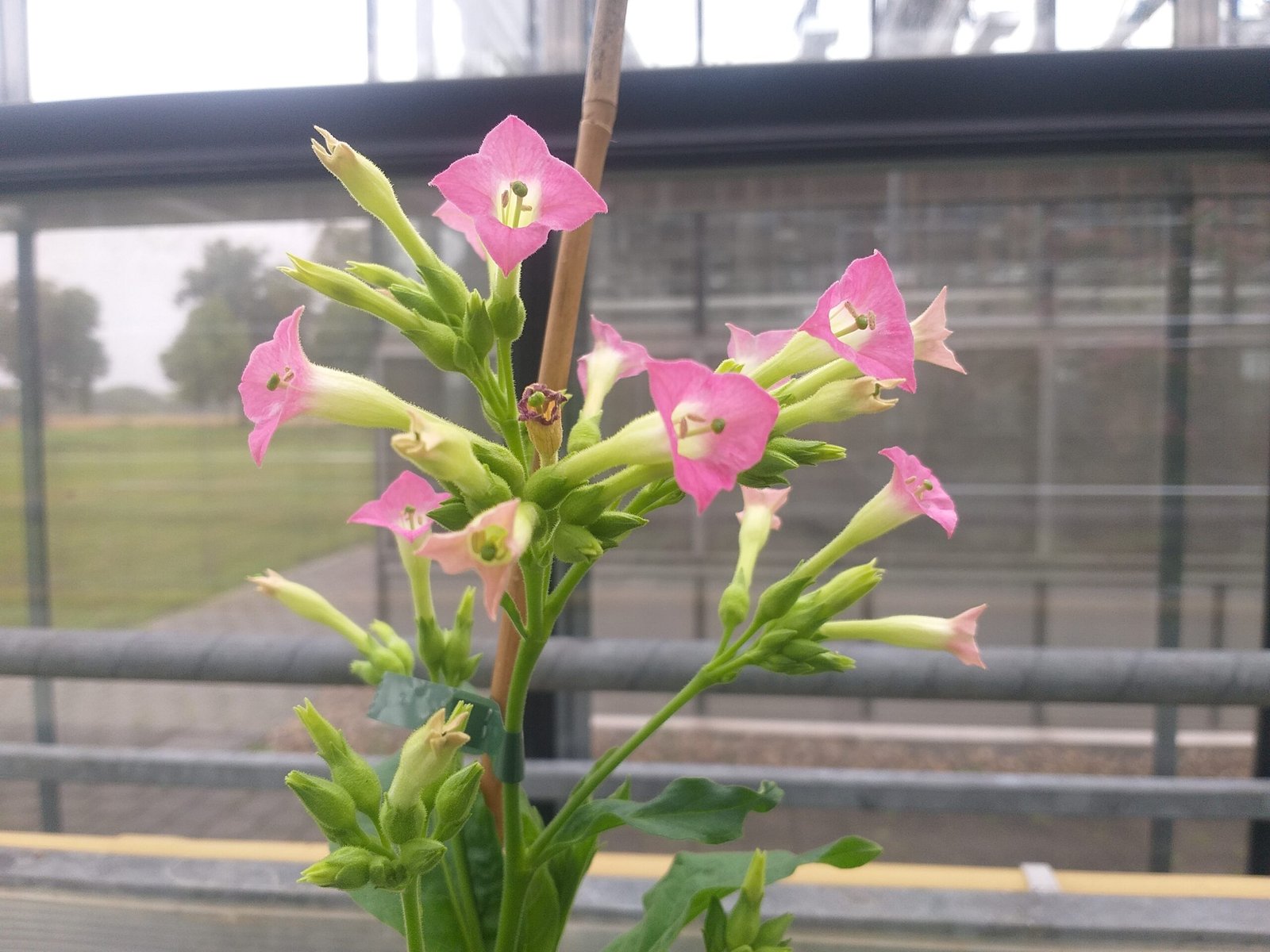
Researchers have discovered a crucial role for rapid DNA repair in maintaining genome stability. A new study shows that the repair of double-strand breaks (DSBs) in nuclear DNA provides effective protection against the integration of foreign DNA from chloroplasts—a phenomenon that, while important for evolution, can severely destabilize the genome. The research expands our understanding… Read more »

Study on hominin hands: Human evolution was not linear

Researchers in South Africa have found new clues about how our fossil human relatives might have used their hands. Led by Samar Syeda, a postdoctoral researcher at the American Museum of Natural History, and in collaboration with researchers from the Max Planck Institute for Evolutionary Anthropology, the University of the Witwatersrand, the University of Kent, Duke University, and the National Geographic Society… Read more »

Why did eukaryotes evolve? Research team provides answer

By | April 22, 2025

For a long time, life was limited to organisms consisting of simple prokaryotic cells – for example, archaea, the earliest bacteria. Even today's bacteria are prokaryotic cells in which the genetic material floats freely in the cytoplasm. In contrast, the cells of fungi, plants, and animals are significantly more complex. Their genes are well protected, packaged within the nucleus, and there are also… Read more »