As Sir David Attenborough reaches his centenary on 8 May, the world honours not only a broadcaster of unparalleled reach but a thinker whose philosophy has quietly yet forcefully challenged the dominant ideologies of the past half-century. Where a politics of denial and dominion has framed nature as a resource to be conquered for immediate national or economic gain – exemplified by assertions that climate science is a hoax and environmental safeguards mere obstacles to prosperity – Attenborough has articulated a coherent counter-vision grounded in empirical observation, systems thinking and moral responsibility. At its heart lies a profound recognition of interdependence: humanity is not apart from the living world but inextricably bound to it.
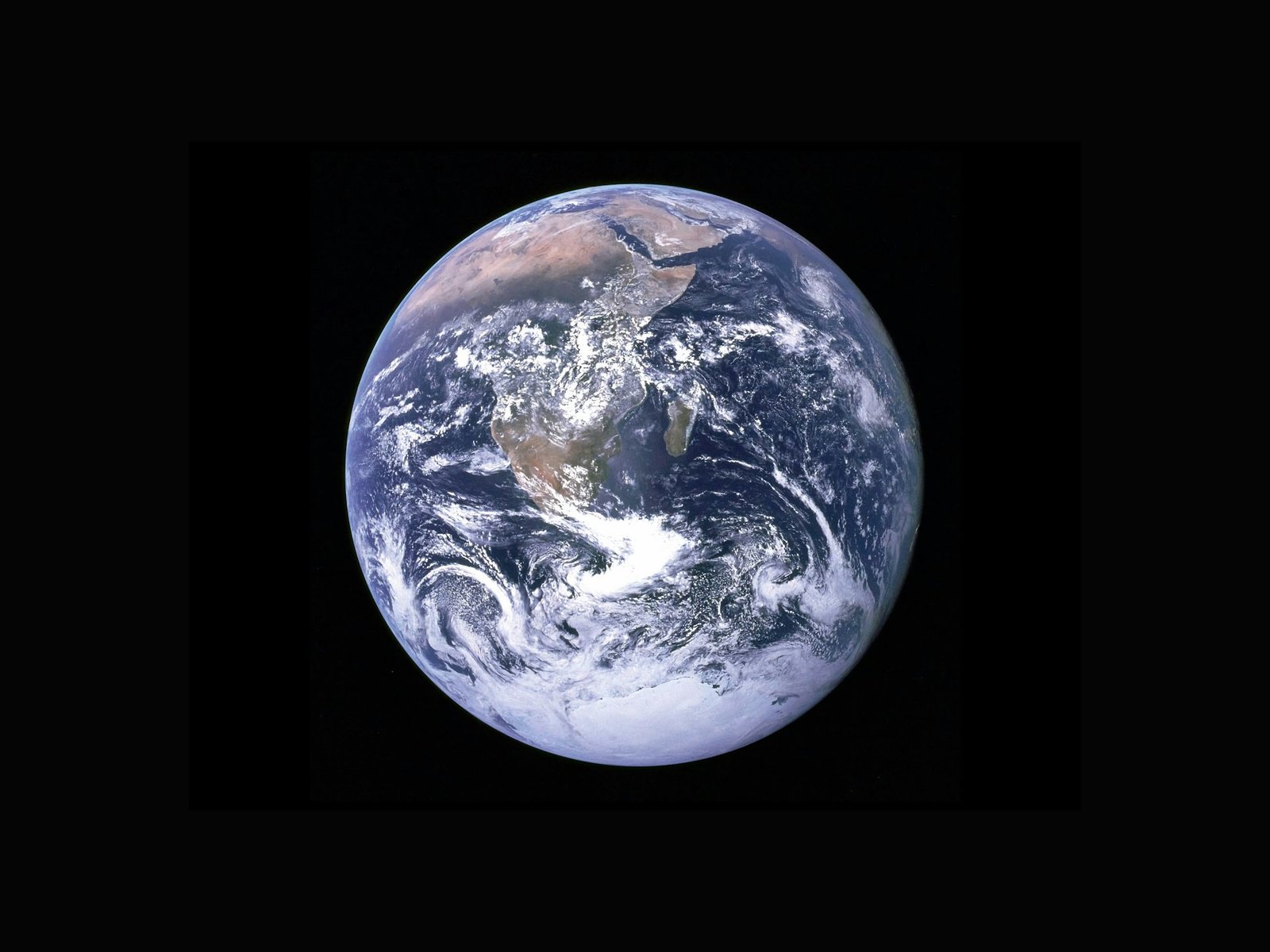
Born in 1926, Attenborough’s intellectual journey began in the post-war era of apparent abundance. Early works such as “Zoo Quest” and the landmark “Life on Earth” (1979) celebrated evolution’s intricate elegance and the planet’s biodiversity with scientific precision and narrative mastery. Yet his philosophy deepened as the evidence accumulated. In the new millennium, programmes from “State of the Planet” through “Blue Planet II” and “Climate Change – The Facts” to the autobiographical “A Life on Our Planet” (2020) – which he described as his witness statement – trace a single, sobering arc: humanity’s shift from being a part of nature to being apart from it. In the Anthropocene, the geological epoch defined by our dominance, we have exercised a power no previous species has possessed: wholesale control over the living and non-living systems of Earth. This power, Attenborough insists, imposes upon us an “awesome responsibility” – not merely for our own future, but for the entire web of life with which we share the planet.
Central to his thinking is the rejection of infinite growth on a finite world. Overconsumption, habitat destruction and fossil-fuel dependence have destabilised the very fundamentals of the biosphere upon which civilisation rests. Yet his philosophy is neither misanthropic nor apocalyptic. It is rooted in humility before nature’s complexity and confidence in its resilience. “If we take care of nature, nature will take care of us,” he has repeatedly stated. The solution, therefore, is not to retreat from modernity but to realign it: restore biodiversity through large-scale rewilding, transition to renewable energy, stabilise population and consumption patterns, and recognise that economic prosperity and ecological health are not opposing forces but interdependent necessities. Where short-term transactional worldviews treat environmental regulation as an elitist imposition, Attenborough offers a pragmatic systems view: the biosphere operates as a single interdependent whole, and only by working with its logic – rather than against it – can human societies endure.
This intellectual stance stands in stark contrast to narratives that dismiss expertise, prioritise unilateral withdrawal from global accords and subordinate long-term planetary limits to immediate political or economic expediency. At COP26 in Glasgow, speaking as the People’s Advocate, Attenborough urged collective action over isolation, evidence over ideology, and intergenerational equity over present convenience. His calm authority has modelled a different kind of leadership: one that derives moral urgency from rigorous observation rather than assertion, and that finds hope not in denial but in nature’s proven capacity to recover when granted space.
The “Attenborough effect” – the surge in public awareness and policy change triggered by his documentaries – demonstrates the power of this philosophy in practice. Scenes of marine plastic pollution catalysed legislative bans; his call for biodiversity restoration has inspired rewilding initiatives worldwide. Even at 100, he continues to emphasise that wherever ecosystems are allowed to rebound, they deliver benefits for wildlife and humanity alike.
The BBC’s centenary programming, culminating in the special “David Attenborough’s 100 Years on Planet Earth” from London’s Royal Albert Hall, offers more than celebration. It presents a civilisational choice: between a philosophy of dominion that risks collapse and one of stewardship that points toward renewal. Sir David Attenborough’s century on Earth has been both a testament to wonder and a summons to wisdom – the wisdom to recognise that our survival depends not on mastering nature, but on understanding and honouring our place within it.
Verified sources for further reading:
- BBC Media Centre: Sir David Attenborough’s 100th Birthday programming (bbc.com/mediacentre)
- Fauna & Flora International: Attenborough statements on nature interdependence (fauna-flora.org)
- Netflix / “David Attenborough: A Life on Our Planet” official materials
- UNEP: Champion of the Earth Lifetime Achievement Award profile (unep.org)
- Official transcripts and interviews: “A Life on Our Planet” and COP26 address
- WWF archives: Attenborough on biodiversity, rewilding and finite planetary limits