
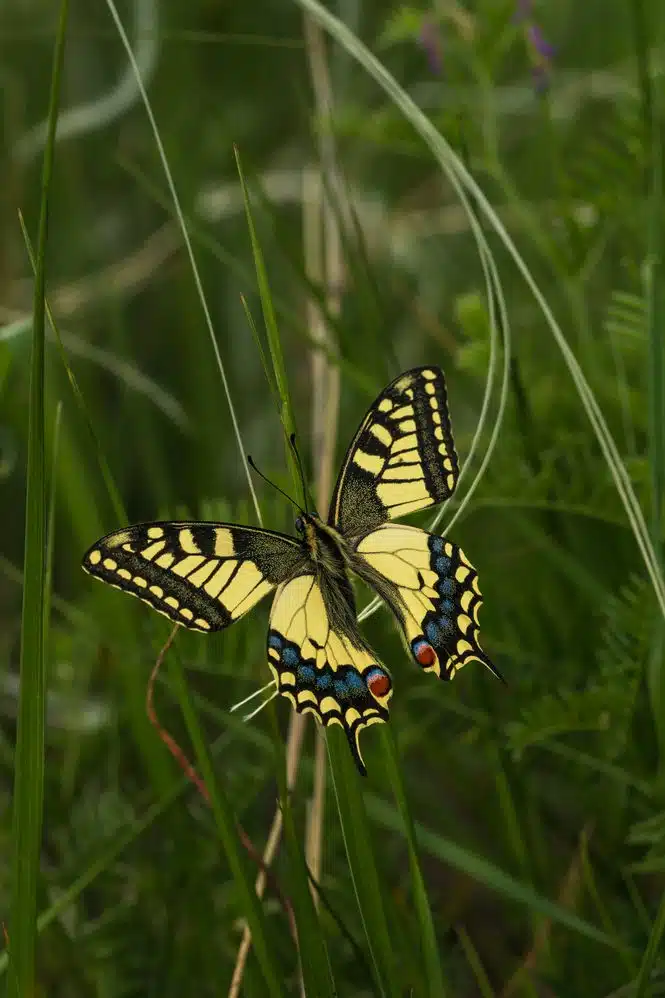
Large, colorful butterflies attract far more attention than their inconspicuous relatives. Not only do laypeople look longer, but researchers and conservationists also favor the spectacular species. This is shown in an international study with the participation of the Helmholtz Centre for Environmental Research in Leipzig, published in the journal Current Biology.
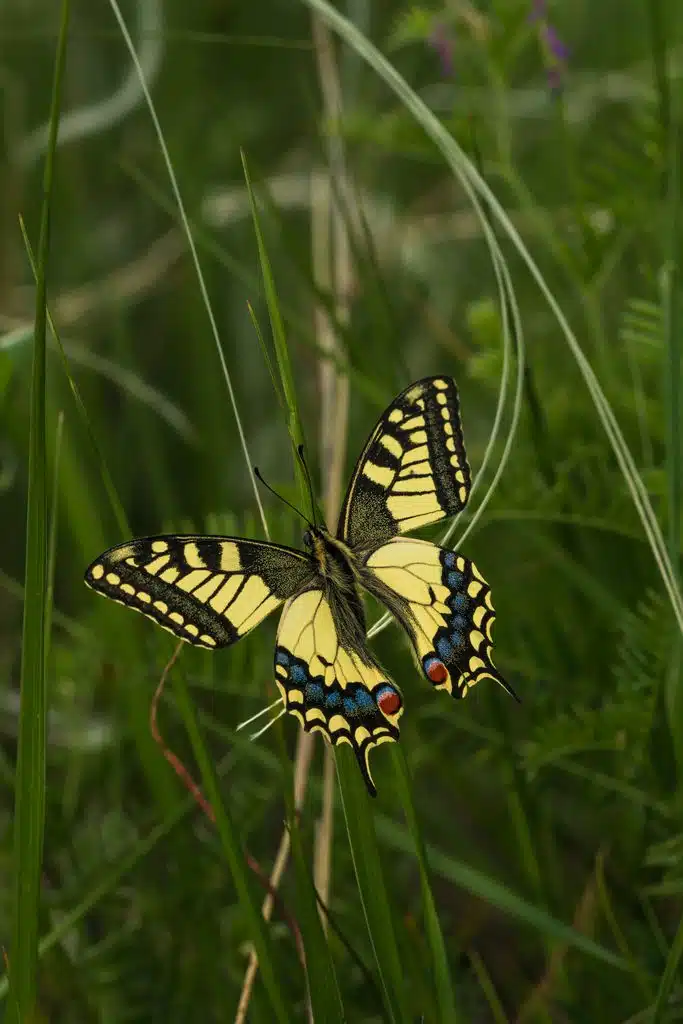
In contrast, the inconspicuous butterflies are more frequently found on the Red Lists. The team argues that nature conservation efforts must pay greater attention to this imbalance. More than 21.000 people from over one hundred countries spontaneously rated photos of European butterflies on a scale of one to ten. A pale yellow butterfly with a striking pattern and pointed hindwings, the swallowtail, fared particularly well. "This allowed us to identify a whole range of characteristics that people appreciate in butterflies," explains Dr. Elisabeth Kühn from the UFZ, who coordinated the survey in Germany. Bright colors, especially yellow and blue, high-contrast patterns, large wings, and jagged edges or appendages are popular. Small, brownish species, on the other hand, were disliked. The vast majority of respondents shared this assessment, regardless of their prior knowledge of butterflies. From these ratings, a beauty index was created for nearly five hundred European species.
The consequences of this preference are measurable. Images of attractive butterflies are uploaded more frequently on Flickr and iNaturalist, and Wikipedia articles about them are more numerous and read more often. Surprisingly for researchers, the same pattern applies to science. There are more gene sequences and more publications about the beautiful species. European nature conservation legislation is also unfair. The 1979 Bern Convention lists protected species, and butterflies with a high beauty index are overrepresented there. The EU's 1992 Habitats Directive adopted this preferential treatment. Because the directive controls where funds and measures flow, for example in the LIFE program, attractive butterflies retain their advantage.
On the national and European Red Lists of 2010 and 2025, these beautiful butterflies do not appear more frequently than other species. Frequency and decline are the decisive factors, not charisma. In fact, the less attractive butterflies are projected to fare even worse in 2025. In the Alps, climate change threatens many inconspicuous brown species. The cold-loving glacier butterfly is retreating to ever higher altitudes until it runs out of space. "Such species should be given better consideration in European nature conservation, since they fulfill equally important functions in ecosystems," says Kühn. More than half of the butterflies considered endangered are now struggling with rising temperatures, and these are not primarily the fluttering beauties. Nevertheless, the biologist believes flagship species are useful because they raise awareness and help save habitats from which all inhabitants then benefit. It remains crucial to collect data on even the less conspicuous species.
Therefore, the UFZ, together with the Society for Butterfly Conservation, has been conducting the German Butterfly Monitoring Program for more than twenty years. From April to the end of September, hundreds of volunteers count diurnal butterflies week after week along designated routes of up to one kilometer in length. Participants photograph attractive species more frequently, but all species are recorded, including the inconspicuous brown butterflies. Only in this way can it be determined which species truly need protection.
Original publication:
Leonardo Dapporto et al.: Beauty bias in butterfly research and conservation; Current Biology, https://doi.org/10.1016/j.cub.2026.07.049