
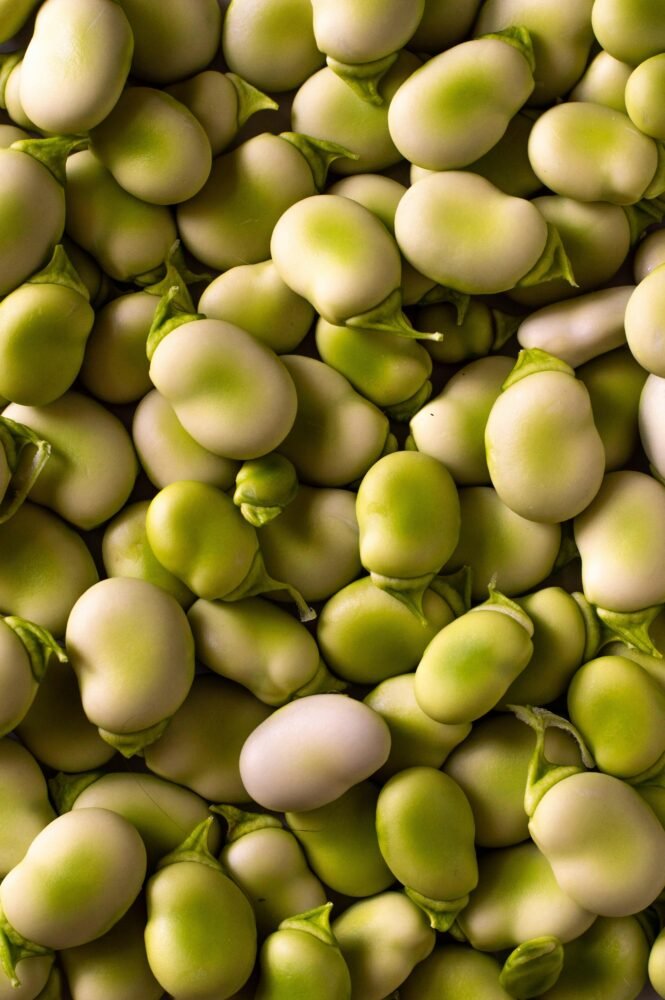
Researchers at the Leibniz Institute for Food Systems Biology at the Technical University of Munich have investigated for the first time how protein structures derived from broad beans affect a cellular model system for oral human tactile cells. These skin sensory cells respond to mechanical stimuli such as pressure and play a central role in the texture perception and mouthfeel of food and beverages. The new findings are intended to contribute to a better understanding and ultimately optimization of the sensory acceptance of plant-based foods to promote a sustainable and healthy diet.
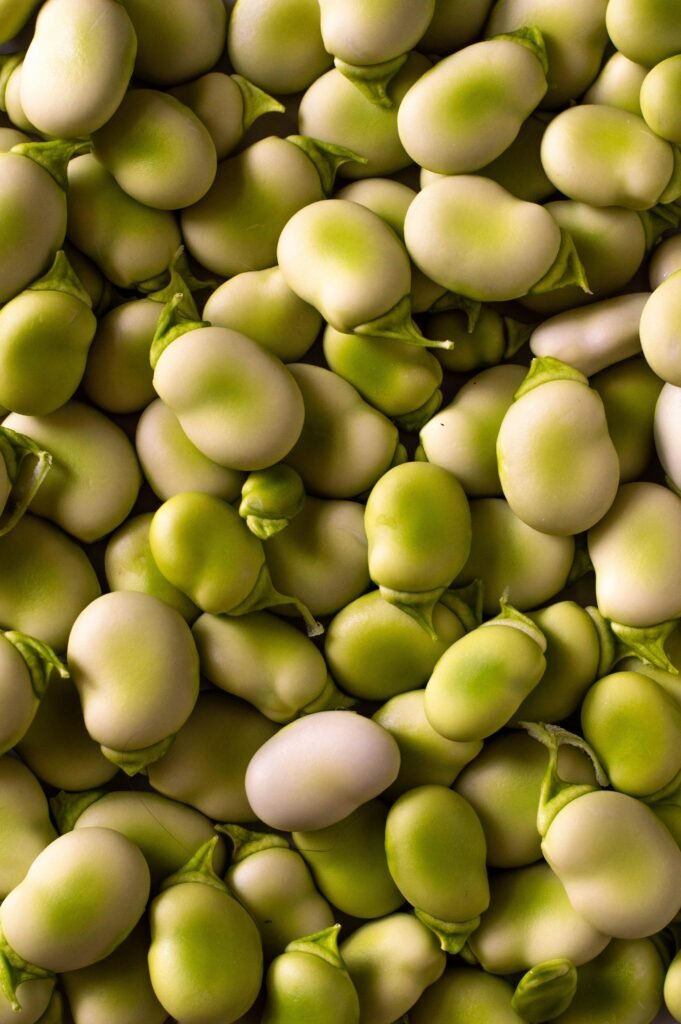
For many consumers, aspects of ecological sustainability, health, and/or animal welfare are important reasons for increasingly choosing a plant-based diet . According to Statista, global sales of plant-based foods already amounted to US$29,4 billion in 2020. This figure is projected to rise to US$161,9 billion by 2030.
"It's therefore not surprising that there is a high demand for biomaterials that help improve the mouthfeel of plant-based food alternatives," says Sanjai Karanth, lead author and research associate in the Mechanoreceptors junior research group at the Leibniz Institute. Such biomaterials include protein nanofibrils derived from broad beans.
Protein nanofibrils are specialized protein molecules organized into tiny structures. They exhibit unique physicochemical properties that can profoundly influence the texture and thus the mouthfeel of foods.
Much is already known about their production and physical properties in liquid media. However, little research has been done on how the fibrils affect cells under physiological conditions. For example, studies on cellular model systems that would allow future conclusions about the texture perception of protein nanofibrils have been lacking.
This is precisely where the research of the Leibniz team led by junior research group leader Melanie Köhler comes in, focusing on the mouthfeel of food. For the first time, the junior research group has used state-of-the-art technologies to investigate how protein nanofibrils from broad beans affect cells of a human cell line of so-called mechanoreceptor cells.
In studies under physiological conditions, the researchers initially determined using atomic force microscopy that the nanofibrils roughened the surface structure of the model cells they studied, but without changing their overall elasticity. "Since the biophysical effect was less pronounced, we further investigated what was happening at the molecular level," explains study leader Melanie Köhler.
The tests revealed that the addition of nanofibrils to the cells' culture medium altered the activity of receptor genes that play a role in the perception of food texture. These included primarily mechanosensitive ion channels such as piezo-receptors, but also receptors that detect fatty acids. Further studies conducted on artificial cell membranes also showed that the fibrils interact with the membranes via lipids, which influenced membrane elasticity in this test system.
"Our research is still in its early stages, but our biophysical and biochemical results already indicate how nanofibrils influence the perception of texture and fat," says study leader Melanie Köhler. "We therefore want to further explore these new findings in future experiments and sensory studies. In the long term, we aim to find new applications for plant-based nanofibrils to develop sensory-pleasing foods with improved texture."
Publication: Karanth, S., Wiesenfarth, M., Benthin, J., and Koehler, M. (2024). Fava Bean Protein Nanofibrils Modulate Cell Membrane Interfaces for Biomolecular Interactions as Unveiled by Atomic Force Microscopy. Foods 13, 3411. 10.3390/foods13213411. https://www.mdpi.com/2304-8158/13/21/3411
original publication
Karanth, S., Wiesenfarth, M., Benthin, J., and Koehler, M. (2024). Fava Bean Protein Nanofibrils Modulate Cell Membrane Interfaces for Biomolecular Interactions as Unveiled by Atomic Force Microscopy. Foods 13, 3411. 10.3390/foods13213411. https://www.mdpi.com/2304-8158/13/21/3411
also read
Healthy nutrition for all: Global transformation urgently needed | Pugnalom
Microorganisms provide vital vitamins for legumes | Pugnalom


