
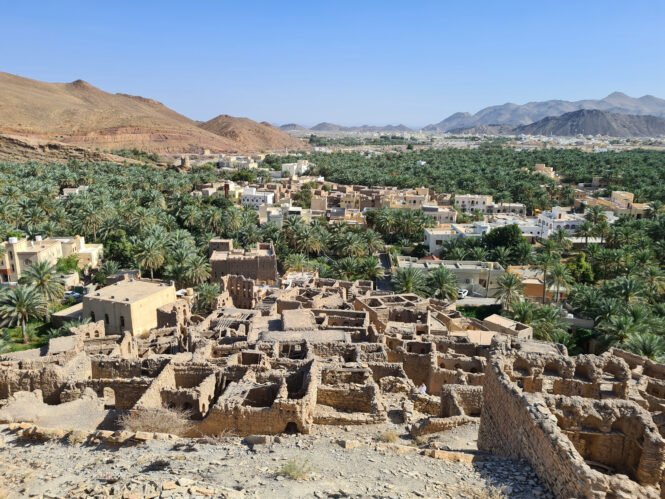
A study published in the journal "PeerJ" has produced the first comprehensive global analysis of oases. Based on 1.657 research papers, 1.344 oases in 30 countries were identified, providing a livelihood for approximately 400 million people in Asia and North Africa alone. Despite their ecological and cultural importance, less than 0,5 percent of these areas are protected, even though numerous animal species native to them are threatened. The researchers call for oases to be considered in global nature conservation, particularly within the framework of the "30 x 30" target. They emphasize the need for sustainable management that includes local and indigenous communities.
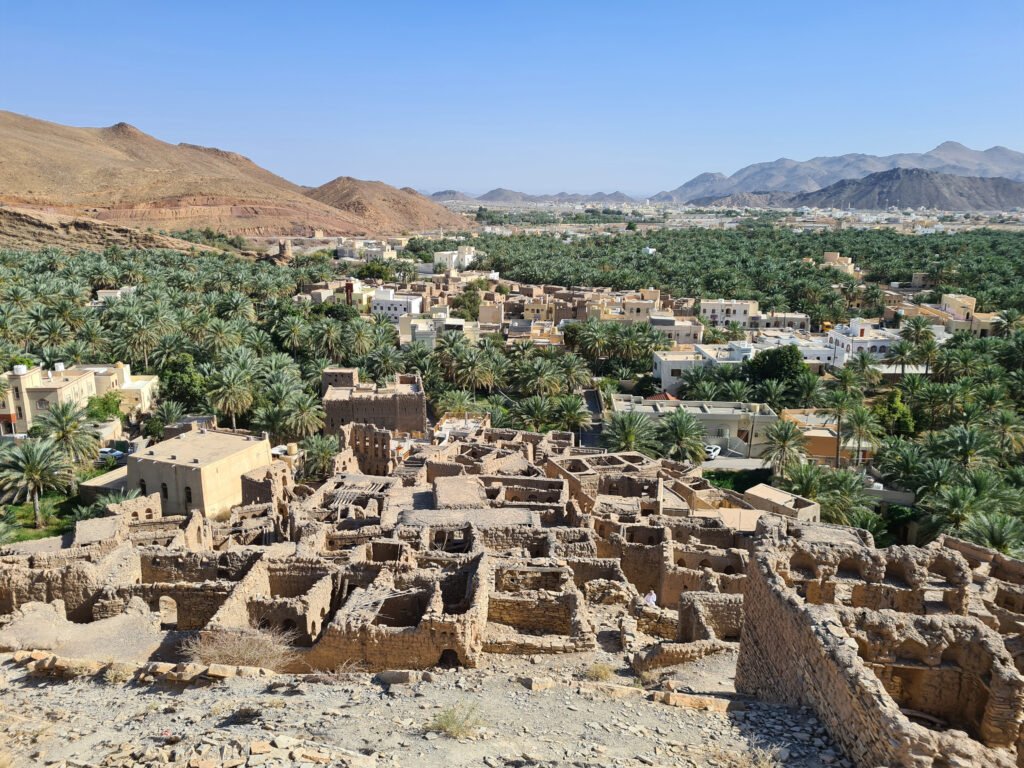
“Islands of fertility,” “green diamonds,” or “desert paradises”—the very names given to oases reflect the fascination with these ecosystems. “In science, we define oases as fertile and densely vegetated areas in harsh, arid regions, characterized by great biocultural diversity,” explains the study’s lead author, Dr. Juan Antonio Hernández-Agüero, from the Senckenberg Society for Natural Research and the Vrije Universiteit Amsterdam. He continues: “For millennia, oases have been important centers of settlement and trade. They provide water sources and thus agriculture, enabling the survival of both people and animals. Ecologically speaking, oases are biodiversity hotspots. They represent isolated refuges for numerous plant and animal species, as well as a wide variety of crops. At the same time, they are threatened by climate change, overexploitation of groundwater, and urbanization—making their protection and sustainable management increasingly important.”
Despite the importance of oases, comprehensive information on their global distribution has been lacking to date. To fill this gap, Hernández-Agüero and a team of Senckenberg researchers conducted a detailed literature review. They combined this with modeling to create a comprehensive data and knowledge base that captures the current distribution, boundaries, and status of oases worldwide, and specifically in Asia and North Africa (ANA region).
"Based on 1.657 research articles, we were able to identify a total of 1.344 oases in 30 different countries," explains Senckenberg Director General and senior author of the study, Prof. Dr. Klement Tockner, adding: "In the ANA region, oases cover a total of approximately 400.000 square kilometers, corresponding to 1,5 percent of the harsh arid areas of this region. These relatively small areas are home to 150 million people, and another 268 million people live on the fringes of the oases and depend on their resources. With more than 1000 inhabitants per square kilometer, oases are among the most densely populated areas in the world, demonstrating their high fertility and productivity. The 75 UNESCO World Heritage sites located in or near oases further underscore their outstanding cultural significance."
A total of 8.281 mammal, reptile, amphibian, and bird species have been identified in oases worldwide. According to the International Union for Conservation of Nature (IUCN) Red List, 470 of these species are considered endangered, 450 are critically endangered, and 220 are critically endangered.
"At the same time, less than 0,5 percent of the total area of oases is protected. Steppes are generally considered the most threatened terrestrial habitats—it appears that oases are even more at risk. Including oases in the '30 × 30' target, which aims to protect 2030 percent of terrestrial and marine habitats by 30, is crucial for preserving this biodiversity," adds Hernández-Agüero.
In their work, the researchers urge the advancement of conservation strategies that incorporate biological and cultural diversity—biocultural diversity. They recommend improving the conservation and management of oases by integrating ecological, socioeconomic, and cultural aspects. This requires a collaborative effort involving indigenous peoples and local communities, policymakers, researchers from various disciplines, and conservation professionals.
"Our findings underscore the unique biocultural, ecological, and geopolitical importance of oases, which are increasingly threatened by climate change and direct human impacts. Oases are vital, yet unfortunately neglected and threatened, ecosystems of global importance that play a crucial role in promoting and maintaining biodiversity and harbor a rich cultural heritage. This must be protected!" concludes Tockner.
also read
Farewell to gypsum karst landscape – The brutal death of a biodiversity hotspot | Pugnalom
Tropical biodiversity: Destructive human influence extends far into protected areas | Pugnalom


