
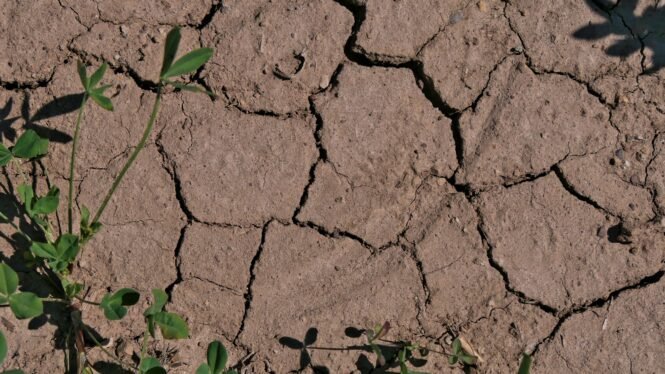
Extreme climate events threaten the quality and stability of groundwater when rainwater bypasses the natural filtration processes in the soil. This was demonstrated in a long-term groundwater study using new analytical methods. Since billions of people depend on sufficient clean groundwater for drinking, understanding the impacts of climate extremes on future water security is crucial.
Using a novel experimental approach, Simon A. Schroeter and Gerd Gleixner from the Max Planck Institute for Biogeochemistry, together with a large research team, conducted long-term analyses of groundwater in Germany. They used the presence of dissolved organic matter as an indicator of water pollution, thus confirming fundamental changes in groundwater stability. "Our results indicate that extreme weather events are already altering groundwater quality and the nature of its recharge," says the study's lead author, Simon Schroeter.
Between 2014 and 2021, the research team investigated groundwater and the corresponding hydroclimatic conditions at three geologically diverse locations in Germany. They analyzed water quality by tracking thousands of different types of molecules on their journey from the soil to the groundwater. In contrast to the previous standard method, which measured the total concentration of dissolved organic carbon, their newly developed, undirected approach enabled them to detect changes in the quantity and chemical composition of countless organic molecules.
Within the eight-year analysis period, the scientists identified consistent long-term trends: increasing amounts of organic matter originating from the surface and accumulating in groundwater, as well as declining groundwater levels. They also found a clear correlation between increasing water pollution and extreme weather events, particularly the 2018 drought.
The new method can detect changes in groundwater quality much more sensitively than the commonly used carbon measurement. It could therefore serve as an early indicator of groundwater quality deterioration before thresholds are exceeded. While the method relies on organic molecules as indicators of pollution, actual contamination can include any pollutants leached from the surface.
Groundwater is typically replenished by precipitation that seeps through the soil. Foreign substances picked up by rain at the surface are removed during transport through the soil, either by adhering to soil minerals or by being metabolized by soil microbes . This natural filtration process results in highly pure groundwater resources. However, rain can sometimes quickly flow into deeper soil layers. This bypasses the filtration process, allowing dissolved substances from the surface and upper soil layers to be transported into the groundwater in greater quantities.
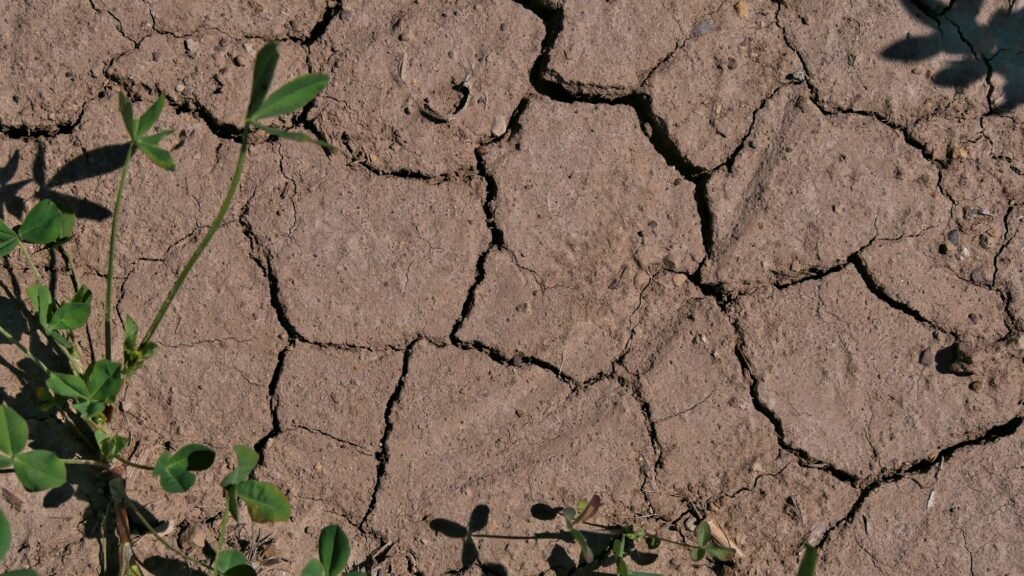
This is especially true after extreme rainfall and severe drought. Prolonged periods of drought lead to large cracks in the soil and also reduce the absorption of rainwater in the upper soil layers. Under such conditions, the water flows more directly into the groundwater or, alternatively, runs off into rivers, lakes, and oceans. The groundwater level is then not adequately replenished. Furthermore, the water becomes contaminated with unwanted and potentially harmful substances from the surface and upper soil layers. These include, for example, organic matter, herbicides and pesticides, microbial products such as antibiotics , and other foreign substances.
In light of the intensifying climate change, researchers are calling for increased attention to groundwater management. A decline in natural soil purification increases the pressure our society is already under due to declining groundwater levels. Recent studies warn that climate-related declines in groundwater quality could exceed those caused by anthropogenic pollution.
The purification capacity of soil is particularly relevant for areas where groundwater is considered clean and drinkable, such as regions in central Italy, northeastern Spain, central and southwestern France, and throughout Germany. Gerd Gleixner, head of the research group, adds: "Our method will help identify risks early on for groundwater that is considered clean and safe for our use. Our research findings underscore the urgent need to establish sustainable water management to protect this vital resource."
The study is part of the German Collaborative Research Center AquaDiva, an interdisciplinary initiative led by Kirsten Küsel, Susan Trumbore, and Kai Totsche that focuses on understanding the interactions between surface and subsurface ecosystems and their response to environmental change. By integrating expertise from biogeochemistry, hydrogeology, and microbiology, AquaDiva aims to uncover the complex processes governing groundwater ecosystems and investigate their resilience to climate change.
also read
95 million people in the US involuntarily drink PFAS | Pugnalom
Study: PFAS ubiquitous in blood | Pugnalom


