
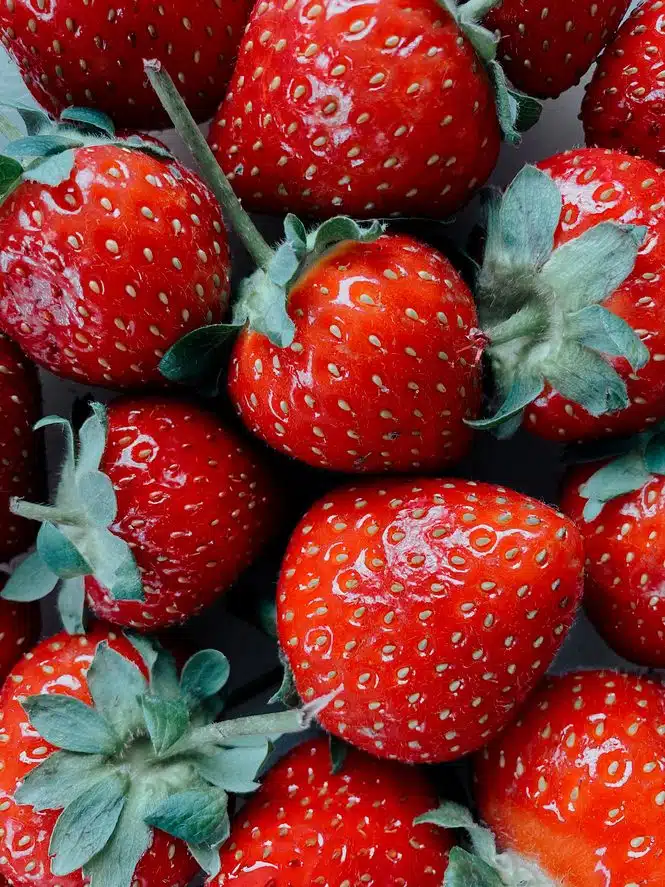
A novel textile material for covering strawberry plants has more than tripled yields in tunnel trials without compromising plant health. The technology could also significantly reduce water and pesticide use in strawberry cultivation. The cover, called Plant Armor, is a carefully engineered fabric that is placed over the plants. Its three-dimensional structure keeps insects away from the plants below, while multiple layers allow sunlight, rain, and air circulation to pass through.
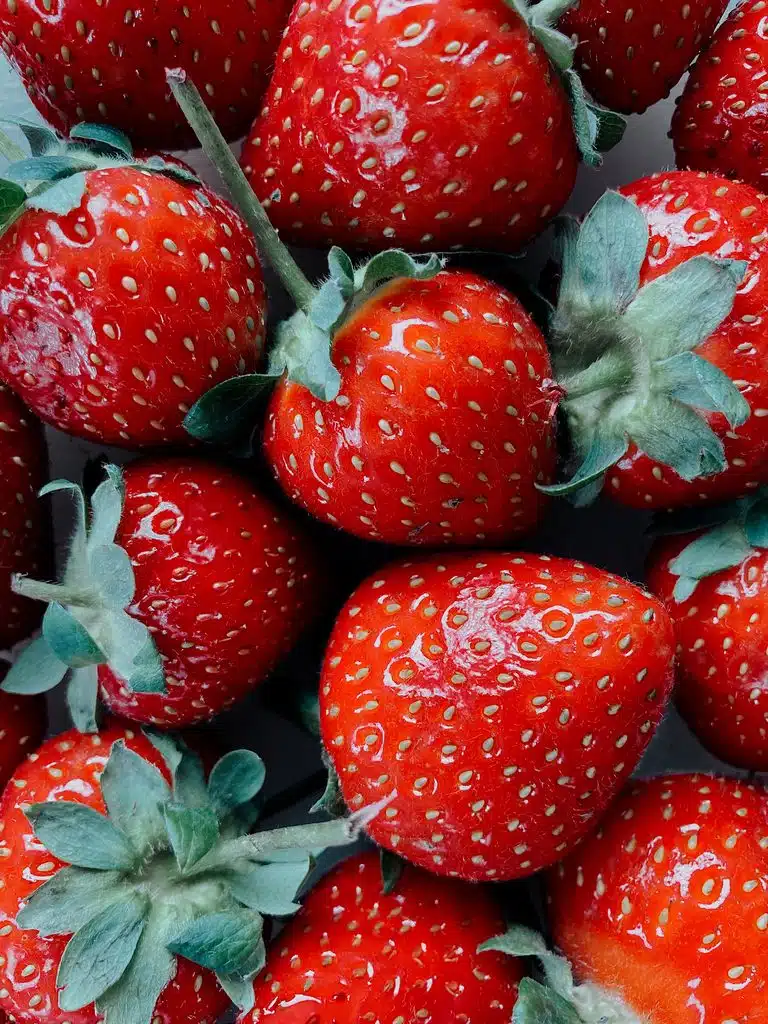
In tunnel trials, Plant Armor increased strawberry yield by up to 3,56 times without negatively impacting relative humidity or light penetration. Plants need sunlight to produce fruit, explained Gabriel Olawuyi, a research associate at North Carolina State University and lead author of a study on Plant Armor. The team had expected the seemingly opaque fabric to promote vegetative growth at the expense of fruit production, because less light would trigger a shade-avoidance response, causing the plant to divert energy into stems and leaves rather than fruit. Instead, the fabric did not obstruct light penetration, and fruit production increased significantly.
Plant Armor also ensured consistent warmth throughout the three growing seasons. This helped the bushes, according to Olawuyi, to reach fruiting earlier than uncovered plants. Plants require a certain amount of stored heat, calculated as growing degree days, to complete their developmental stages, including fruiting. The covering proved advantageous in this regard: the plants received the optimal amount of heat needed for each phenological stage and produced significantly more fruit than uncovered specimens. Because the fabric repels insects, Plant Armor can also reduce the need for conventional pesticides.
The material originated as an offshoot of work on military uniforms designed to be more resistant to mosquito bites and more comfortable under body armor. This underscores the value of collaborative research, said co-author R. Michael Roe, William Neal Reynolds Distinguished Professor at NC State. The development began with an attempt to create a fabric for soldiers' chests to improve the comfort of wearing body armor. Through trial and error and refinement, it evolved into a product that could potentially triple strawberry production in North Carolina. This was not foreseeable at the outset. The product would not have come about without the many contributors who conduct research and adhere to scientific findings.
original publication
MDPI: Knitted 3-D, Porous Textile Cover to Enhance Strawberry Fruit Production and Prevent Insect Feeding https://www.mdpi.com/2077-0472/16/19/2084


