
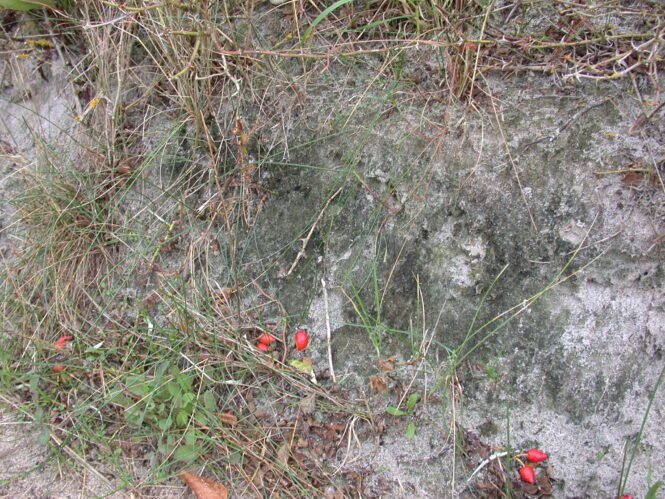
The newly discovered algae species "Streptofilum arcticum" has a potentially particularly flexible cell wall: When water is scarce, the algal cell and its cell wall shrink; when more water is available to the cell, the cell wall expands without causing damage. This function explains the evolutionary transition from water to land and gives the algae advantages in adapting to climate change.
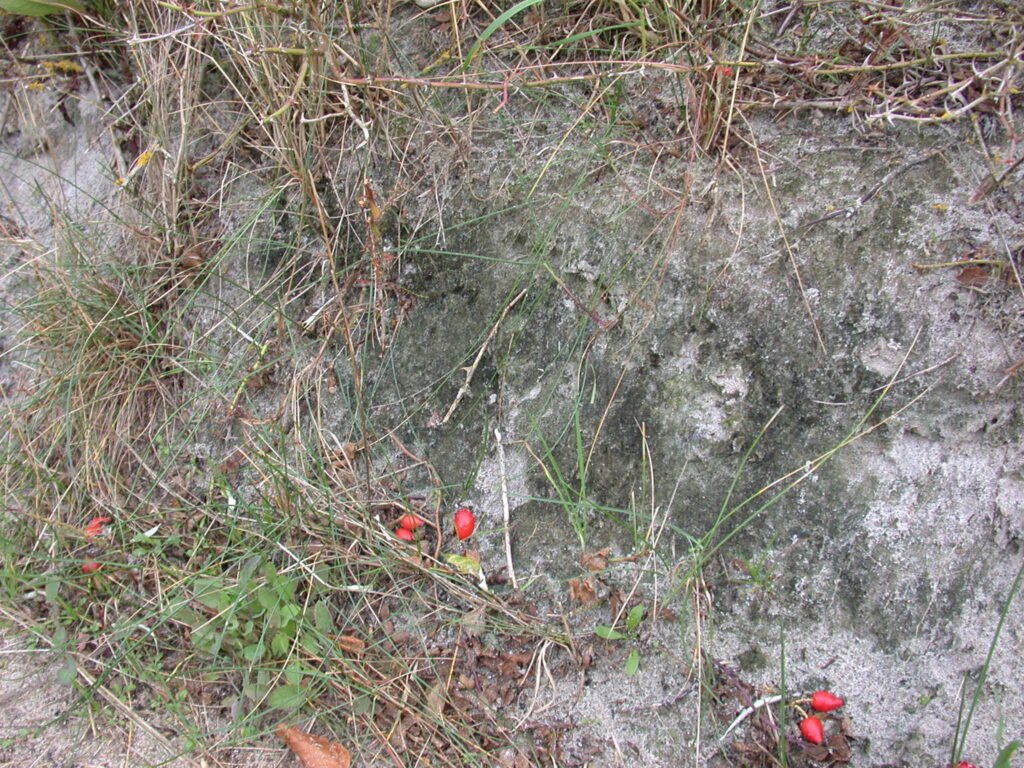
The newly discovered algal species Streptofilum arcticum has a potentially particularly flexible cell wall: In the event of water scarcity, the algal cell and its cell wall shrink; when more water becomes available to the cell, the cell wall expands without damaging the cell. This function explains the evolutionary transition from water to land and gives the algae an advantage in climate adaptation.
An international research team led by the TU Bergakademie Freiberg, the Universities of Rostock and Innsbruck, and the National Academy Institute in Kyiv has described the species and its cell functions for the first time in a recent publication in the international scientific journal "Environmental Microbiology." The researchers have so far detected the new algal species in the Arctic tundra of Svalbard and in dunes on the Baltic coast. The regional distribution of the algae is therefore larger than previously assumed.
The new algal species *Streptofilum arcticum* is closely related to its sister organism *Streptofilum capillatum* , a tiny green, ground-covering alga. Only when it forms a biofilm, the algal mat is visible to the naked eye in the dunes near Heiligendamm on the Baltic Sea coast or in the Arctic tundra. * Streptofilum capillatum * itself was only described a few years ago by the same team from farmland and represents a new lineage in the plant family tree. What is remarkable about this alga is that it is an evolutionary precursor to modern plants and can therefore be described as a living fossil. *Streptofilum* belongs to the most primitive algal representatives of the Streptophytes, which are directly related to land plants. It dates back to the time when freshwater algae colonized the land. Evolutionary innovations were necessary for life on land: drought, pronounced temperature fluctuations, and UV radiation are the main challenges that terrestrial algae had to face. Plants ultimately emerged from these specific adaptations.
"For many years, we were able to collect biological soil crusts in dunes along the Baltic coast and in the tundra of Spitsbergen, from which we were able to isolate, purify, and establish the algae we studied as laboratory organisms. These cultures are essentially our gold dust, on which we can conduct comprehensive studies," explains Ulf Karsten.
The cell functions also enable Streptofilum to adapt to extreme environmental conditions: The alga survives in the dry, cold soils of the Arctic and can quickly become active again after periods of drought. It is also exceptionally flexible with regard to light and temperature. It grows in both low light and strong UV radiation and exhibits a temperature tolerance between five and 40 degrees Celsius. This allows the alga to tolerate climate change and presumably also to withstand future challenges.
The researchers have already identified the unique algae in the Arctic tundra near Spitsbergen, as well as in sand samples from the Baltic Sea coast near Heiligendamm. The researchers were surprised by its wide regional distribution: The algae are more common than previously thought. The team now wants to investigate in more detail where else the new algae species occurs on Earth and how it can utilize its special cellular functions in times of rising average temperatures.
These findings not only help us better understand the evolution of land plants. They can also inspire new biotechnological applications, for example, to develop algae-based UV-resistant substances for bio-sunscreens that don't harm corals and the oceans like the chemical compounds used previously. "Algae of these species produce so-called mycosporin-like amino acids, which protect them against UV rays from sunlight. Understanding how they work is an important basis for potential applications in cosmetic products," says Junior Professor Karin Glaser.
original publication
Glaser, K.; Mikhailyuk, T., Permann, C., Holzinger, A., Karsten, U. (2024) New Strains of the Deep Branching Streptophyte Streptofilum: Phylogenetic Position, Cell Biological and Ecophysiological Traits, and Description of Streptofilum arcticum sp. Nov
also read


