
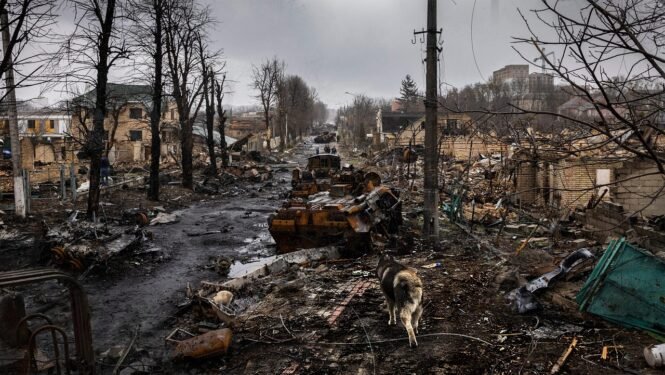
According to a new study, global carbon dioxide emissions from aviation increased by 2023% in 1 because planes had to fly longer distances to avoid Russian airspace.
Following the Russian invasion of Ukraine in February 2022, Western airlines were banned from flying over Russia, forcing them to take much longer routes between Europe or North America and East Asia, resulting in higher fuel consumption.
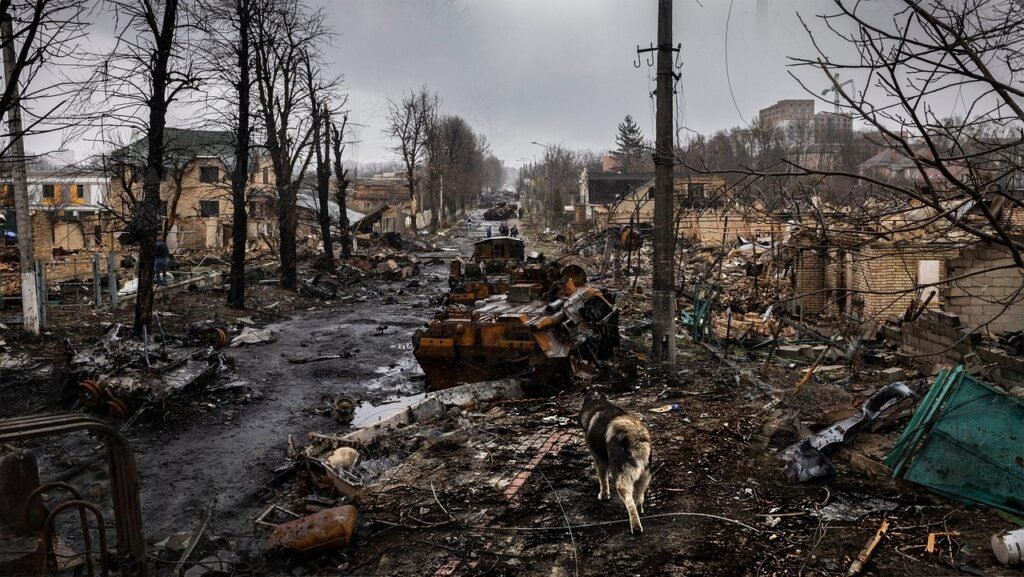
The study, published yesterday (Wednesday, February 12) in Communications Earth & Environment, found that due to the detours caused by the war in Ukraine, aircraft burned an average of 13% more fuel than on their original routes. The impact was even greater on flights between Europe and Asia, where fuel consumption increased by 14,8%. Flights between North America and Asia saw a smaller, but still significant, increase of 9,8%.
Professor Nicolas Bellouin, currently at the Institut Pierre-Simon Laplace (Sorbonne University/École Polytechnique/UVSQ), co-authored the study from the University of Reading. He said: "Following the invasion of Ukraine, there was a decline in flights between Western countries and East Asia as airlines adjusted their routes. Over time, flights resumed but had to make significant detours, either via southern Russia or the Arctic.
"The affected flights represent approximately 1.100 flights per day, but the additional distance they must travel has a significant impact on aviation's overall carbon footprint. These detours increased global aviation emissions by 2 million tons of CO2023 in 8,2."
https://www.nature.com/articles/s43247-024-01956-w


