
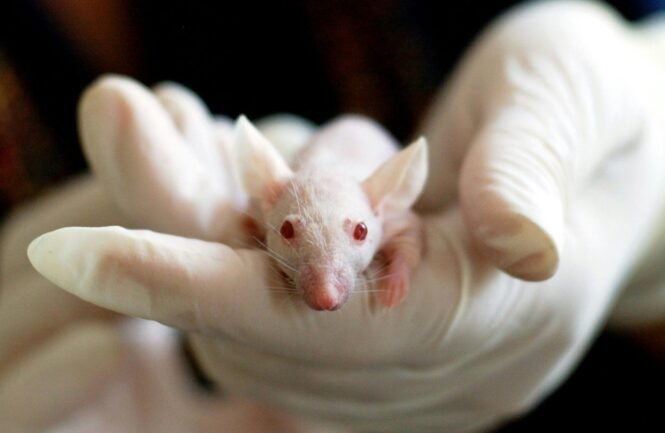
The Baden-Württemberg 3R network continues to grow. Three new centers will open in Karlsruhe, Furtwangen, and Ulm in January 2025. Their primary goal: to develop alternative methods for animal testing.
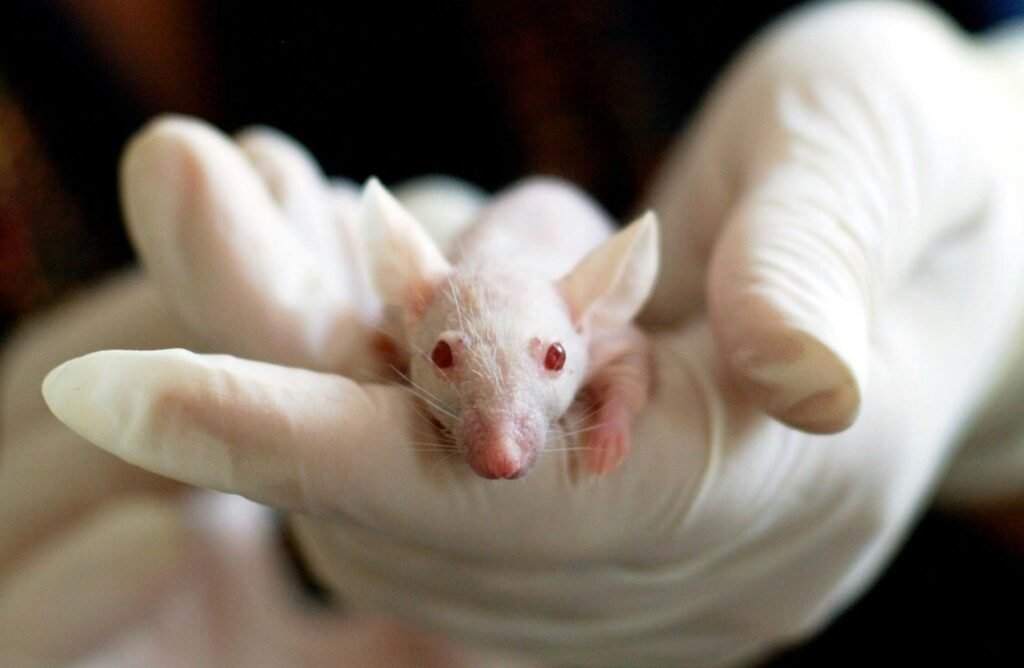
The 3R Network is an initiative to promote the 3R principle in biomedical research. The three "Rs" stand for Replace (=substitution; replacing animal testing with alternative methods), Reduce (=reduction; reducing the number of animals used in experiments), and Refine (=improvement; minimizing the stress on experimental animals).
“Our 3Rs network sustainably anchors animal welfare in Baden-Württemberg’s research landscape; alternative methods to animal testing are becoming even more widely known through diverse research and training activities. In the future, three new centers and the strengthening of digital and AI-supported approaches will further advance the 3Rs network,” said Science Minister Petra Olschowski yesterday, Tuesday, November 5, in Stuttgart. “Beyond animal welfare, the 3Rs network can foster innovations that solve complex biomedical problems and translate research findings into clinical applications – ultimately benefiting patients. Therefore, as a state, we will continue to support the collaboration of our universities and research institutions within the 3Rs network to the best of our ability.”
Since 2020, the Ministry of Science has been supporting the establishment of a nationwide 3R network with around 6,8 million euros to date.
At the five existing 3R centers in Heidelberg, Konstanz, Mannheim, Stuttgart, and Tübingen, human organ-on-chip models and computer simulations for cancer research and drug testing are being developed. Such innovations and targeted continuing education opportunities are taking biomedical research to the next level. The network is now being expanded to include locations at the Karlsruhe Institute of Technology (KIT), Furtwangen University, and Ulm University. The Ministry of Science is providing a total of €3 in funding for these new 750.000R centers for an initial period of three years.
Baden-Württemberg is characterized by a high density of biomedical research institutions and the pharmaceutical-chemical industry. Therefore, the state bears a special responsibility for the protection of laboratory animals. Furthermore, the 3R network focuses on improving biomedical methods, improving the transferability of research results to humans, and accelerating their transfer to clinical application. In this sense, the 3R principle is increasingly becoming a 6R principle. This expansion includes statistically robust experimental design, the registration of all experiments, and the publication of negative results (Robustness, Registration, Reporting). One of the selection criteria for the new locations in the competitive process was training and continuing education measures in the 3R and 6R areas.
The new 3R centers at a glance:
• The 3ROCKIT center in Karlsruhe primarily researches digital alternatives to animal testing – including digital twins for the development of health technologies. An automated, self-optimizing laboratory is designed to shorten the path to alternative and complementary methods. This is complemented by a globally accessible recording system for animal testing and alternatives, as well as a digital learning platform. Overall, 3ROCKIT aims to accelerate the transfer to market, exploit the potential of artificial intelligence and digital methods, and integrate them into the 3R network.
• The scientific focus of the new 3R Center at Furtwangen University is the development of 3D tissue models in the laboratory and in computer models, as well as their transfer to practical applications. A promising example is a skin and bone model. The new "3R Development and Transfer Center for 3D Tissue Models in vitro and in silico" also focuses on training and continuing education in the area of 3R/6R. Furthermore, service and consulting offerings for local industry are to be established.
• The iR Center at the University of Ulm builds on many years of experience in optimizing unavoidable animal testing (refinement). The new 3R Center will house a refinement laboratory with a focus on tumor and trauma research. Other focal points in Ulm include the further development of stem cell and organoid technology for personalized medicine. To reduce animal testing, a biobank for the exchange of animal tissue is being established.


